
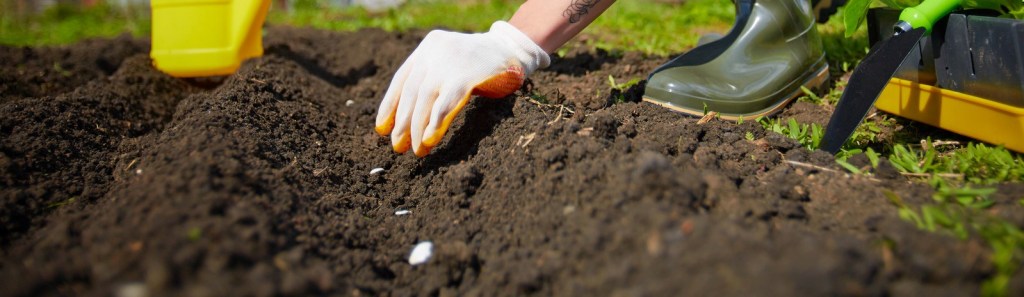
The Simplicity of Direct Seeding
Direct seeding is the easiest, most straightforward method for planting your vegetables. It involves sowing seeds directly into your garden beds or containers where they will grow to maturity. This technique is popular among gardening enthusiasts because it saves time during the busy Seed Starting season, eliminating the need for indoor preparation and the processes of hardening off and transplanting.
Choosing the Right Crops for Direct Seeding
Direct seeding is the preferred approach for two main types of vegetables: fast-growing crops and those with delicate root structures.
- Tap-Rooted Vegetables: Vegetables that form a single, deep tap root, such as carrots, parsnips, and turnips, dislike having their roots disturbed. They thrive when their seeds are placed directly into the stable soil where they will mature.
- 💡 Tip: If you are gardening in the heavy Toronto area clay soil, choose varieties that are shorter and wider, like Chantenay carrots, which are better suited to dense soil texture. Consult our guide on Soil Testing for more on managing your garden’s base.
- Fast-Growing and Hardy Vegetables: Crops that mature quickly are ideal for maximizing the Ontario growing season. These can be sown early in the spring or used for subsequent plantings.
- Best Candidates for Direct Seeding: Radish, carrots, lettuce, spinach, peas, bush beans, corn, summer squash, and cucumbers.
When to Sow Seeds in the Toronto Area
Timing is critical for a maximized harvest. Planting according to the weather cycle ensures healthy plants and optimal yields. For gardeners in Southern Ontario, the average last frost date is typically the first week of May. Use this date as your primary guide when planning.
You can divide your spring direct seeding into three main windows relative to this last frost date:
- 3 to 4 Weeks Before Last Frost (Early to Mid-April in Toronto gardens): This is the window for extremely frost-hardy cool crops that can withstand temperatures a few degrees below zero, though germination will be slower when the temperature does get that low.
- Examples: Peas, lettuce, carrots, and radish seeds can germinate in soil temperatures as low as 4°C, making them an excellent first crop. See Planting Cool Crops.
- 1 to 2 Weeks Before Last Frost (Late April in Toronto): Plant frost-sensitive cool crops that can tolerate a temporary light frost but will grow much better once the weather stabilizes.
- Examples: Broccoli, kale, chard, and potatoes.
- 2 to 3 Weeks After Last Frost (Mid-Late May/Early June in Toronto): Wait until this window to direct-seed your hot crops. These cannot tolerate any frost and require overnight temperatures to be consistently above 10°C. See Planting Hot Crops.
Essential Direct Seeding Tips
Follow these practical tips to give your direct-seeded vegetables the best start in your gardening space:
- Prepare the Soil: Before planting, loosen the soil and incorporate organic matter, such as compost, to a depth of 6 to 12 inches. Ensure the top two inches are fine and crumbly, which is necessary for delicate seedlings to emerge without strain. For more details, see Soil Preparation.
- Planting Depth: A general rule of thumb is to plant a seed to a depth of two to four times its width.
- Use four times the width for small seeds like carrots and lettuce.
- Use two times the width for large seeds like squash and chard.
- Spacing and Thinning: To prevent plants from overcrowding when mature, always follow the recommended final spacing on the seed packet.
- For poor germinators (e.g., carrots, spinach), sow twice as many seeds as instructed. Once they emerge, ‘thin out’ the excess seedlings by snipping them at the soil line to ensure the remaining plants have enough room.
- Maximize Space with Inter-cropping: To maximize harvests in the short season, plant small, fast-growing crops like radish or lettuce seeds between your slower, larger vegetables. The quick crops will be harvested before the main plants need the full area, which is a great strategy for Succession Planting.
Here’s a sample list of when to direct seed certain vegetables relative to the last frost date:
- 3-4 weeks before
- Carrots
- Lettuce
- Peas
- Radish
- 3 weeks before
- Bok choy
- Collards
- 2-3 weeks before
- Beets
- Chard
- Kale
- Potatoes
- Spinach
- Turnips
- 1-2 weeks before
- Mustard
- 2-3 weeks after
- Cucumbers
- Melons
- Squash
Ready to Grow More?
Join our community of gardeners and start growing your own food in the city! From balcony boxes to backyard plots, community gardens, and urban farms, we’re dedicated to helping you succeed in vegetable gardening and urban agriculture.
- In the Greater Toronto Area (GTA)? Join Our Program at Downsview Park: Enroll in our full-season Grow Veggies program for hands-on learning and a share of the harvest.
- Get Monthly Tips: Sign up for our monthly Grow With Us newsletter to receive seasonal tips and our gardeners’ to-do lists.
- Follow Us: Find us on Instagram or Facebook to see what we’re growing at our teaching garden in Toronto.
 Homestead T.O.