
As the main season winds down, don’t let those empty patches of soil go to waste! Even with the short growing season in the Greater Toronto Area, you still have time to plant for a rewarding autumn and early winter harvest. Success in late-season vegetable gardening depends on three key steps: knowing your planting window, selecting the right plants, and choosing the ideal garden spot.
Determine Your Remaining Growing Days
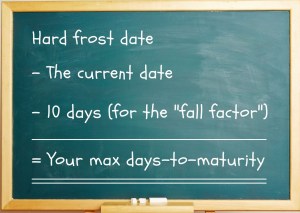
In the Toronto area, the growing season is finite. To ensure a successful fall harvest, you must calculate the latest possible planting date by working backward from the expected hard frost date.
Calculation Method
- Start with the predicted Hard Frost Date for your area (e.g., early-November).
- Subtract the Current Date (e.g., September 1st).
- Subtract a 10-day buffer to allow for slower autumn growth and ensure a harvest before a sudden freeze. This is called the “fall factor”.
- The remaining number is the maximum “days-to-maturity” (per the seed pocket) that your selected crops can have.
💡 Practical Tip: The Fall Factor
Remember the ‘fall factor’: Due to shorter days and lower light intensity, plant growth slows significantly in autumn. To account for this, you should typically add an extra 10 days to the published ‘days-to-maturity’ listed on your seed packet. Always check our guide on Garden Planning to learn how to time your plantings accurately.
Selecting the Right Cool Crops
Fall vegetable gardening requires varieties that can thrive in lower light and cooler temperatures. You need plants that are quick-to-mature, can survive a light frost, and prefer part-sun conditions as the sun dips lower in the sky.
Here is the criteria for a successful fall plant selection:
- Low-Temperature Tolerance: Choose plants that can endure the unpredictable cooler weather of late summer and fall.
- Frost Tolerance: Use plants that can survive a light frost, as this is common in the GTA gardening region before the season’s end.
- Part-Sun Preference: Select crops that don’t need intense, all-day sun since the days are getting shorter and the sun is lower.
Recommended Cool Crops for Fall Planting
Focus on these frost-tolerant and fast-growing vegetables for a bountiful autumn harvest:
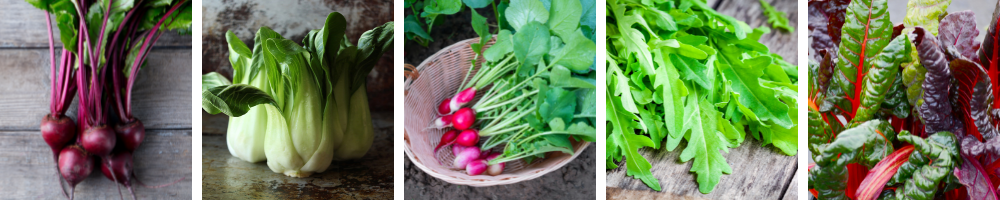
- Leafy Greens: Arugula, Chard, Collards, Kale, Lettuce, Mache, Mustard Greens, and Spinach.
- Roots: Beets, Carrots, Radish, and Turnip.
- Asian Greens: Bok Choy and Leafy Cabbage.
💡 Late-Season Planting Tips
- Kale is exceptionally hardy. It is one of the best vegetables for extending your harvest, as it can thrive into November and early December, enduring multiple frosts.
- Some crops, like Mache and Claytonia, are excellent for planting even in late September if you plan to provide frost protection, as detailed in our Extending the Season mini guide.
- As the weather cools, root vegetables can be left in the ground and harvested as needed, provided that rodents aren’t also harvesting them.
- Many of these vegetables will actually increase in sweetness after being exposed to a light frost or two.
- Don’t forget the ultimate fall planting: Garlic! Start your cloves in mid-October for a harvest next year. Consult our guide on Growing Garlic for optimal timing.
Proper Plant Placement for Season Extension
Optimizing the location of your late-season plantings is a crucial season extension strategy in the Toronto area. This helps your plants resist early frosts and maximize the remaining available sunlight.
💡 Tips for Fall Success
- Maximize Sunlight: Find areas in your garden that allow for the sun being lower in the sky. Be aware that buildings and fences will cast longer shadows as the autumn progresses. Remember that light energy lessens in the fall, so those vegetables that enjoyed a little shade in summer months will prefer full sun in the fall.
- Use Elevated Areas: Look for higher areas, such as raised beds, containers or higher parts of slopes, which are less susceptible to frost than low-lying areas. Cold air sinks, making elevated areas naturally warmer.
- Warm the Soil: Darken the soil by adding compost or a layer of mulch to enable it to hang onto warmth from the sun, thus lengthening your growing season.
- Try Black Mulch: For the highest benefit in the cool GTA gardening climate, consider laying black landscape fabric or black plastic mulch over the planting area. This material absorbs sunlight and reduces the risk of freezing in the soil, giving your cool crops a warmer start.
For more information on preparing your soil, see our guide on Soil Preparation.
Ready to Grow More?
Join our community of gardeners and start growing your own food in the city! From balcony boxes to backyard plots, community gardens, and urban farms, we’re dedicated to helping you succeed in vegetable gardening and urban agriculture.
- In the Greater Toronto Area (GTA)? Join Our Program at Downsview Park: Enroll in our full-season Grow Veggies program for hands-on learning and a share of the harvest.
- Get Monthly Tips: Sign up for our monthly Grow With Us newsletter to receive seasonal tips and our gardeners’ to-do lists.
- Follow Us: Find us on Instagram or Facebook to see what we’re growing at our teaching garden in Toronto.
 Homestead T.O.