
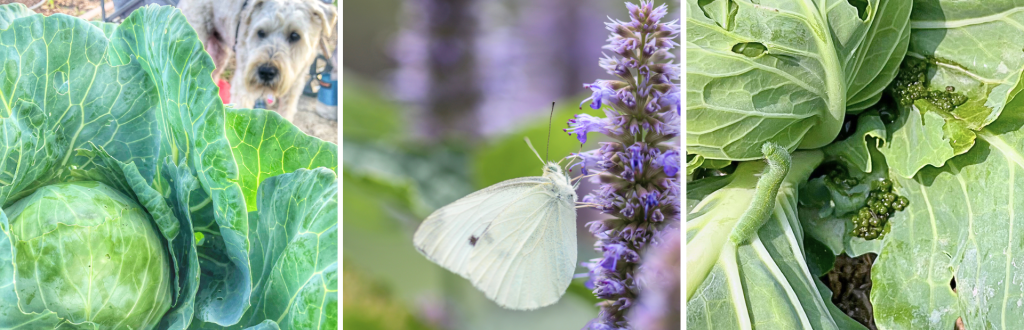
Cabbages are a staple of many productive vegetable gardens and are among the healthiest crops you can grow. They are cool-weather plants that thrive best when grown in the spring, late summer, or early fall. There are many varieties to choose from, including green, red, and napa cabbage. Because cabbages are highly attractive to various insects and susceptible to soil-borne diseases, selecting varieties that you enjoy eating and that have resisted pests in your garden previously is a great first step.
Planting
- Timing: For most varieties, it is best to start seeds indoors in mid-March. This provides the 60–100 days needed for maturity before the intense summer heat arrives. For fall-plantings, start the seeds indoors in June.
- Indoor Starting: Maintain a soil temperature slightly above room temperature to maximize germination. Apply a diluted all-purpose fertilizer once the first true leaves appear.
- Transplanting: Move your seedlings outdoors around the beginning of May. Perfect seedlings for transplanting should be at least six weeks old and have at six true leaves to better withstand pests and weed competition.
- Location and Soil: Choose a spot with well-drained, fertile soil that receives mostly eastern or southeastern sunlight. Cabbages can bolt (go to seed) if temperatures exceed 28°C, so avoiding the hot late-day sun is helpful.
- Spacing and Depth:
- Mix plenty of compost into the soil before planting.
- Space most cabbage types 12″ apart within rows, with 24″ between rows.
- When transplanting, bury the stems to the first node above the soil plug, where the stem is lighter-coloured, to provide better stability.
- Protection: We highly recommend using a fine-mesh row cover immediately after planting to block pests like cabbage moths, flea beetles, aphids and earwigs.
Maintenance
- Feeding: Cabbages are heavy feeders that require significant nutrients. Use a nitrogen-heavy fertilizer or compost to encourage foliage growth. Adding calcium to your soil will result in crisper leaves.
- Watering: Water the beds regularly, especially on hot days. Be careful not to let the soil become water-logged, as this can invite disease.
- General Care: Cabbages do not require pollination, so you can leave them under row covers throughout their entire growth cycle for continuous pest protection.
Pests and Diseases
- Common Pests: Watch for aphids, cabbage worms (larvae of the cabbage moth), cutworms, earwigs, flea beetles, slugs, and snails.
- Prevention: In addition to row cover atop the plants, place a circle of diatomaceous earth around the plant stems to deter crawling pests.
- Disease Management: To prevent clubroot and black rot, rotate your crops so that brassicas are not planted in the same spot more than once every three to four years. If these diseases have been an issue, aim to raise your soil pH to approximately 7.0 by adding lime.
Harvesting
- Selection: Harvest when the cabbage heads feel firm and have reached your desired size.
- Timing: If a heatwave or significant rainfall is forecasted, harvest near-mature heads early to prevent them from splitting or bolting.
- Technique: Use a sharp knife to cut the head just above the soil surface.
- Storage: Loosely wrap the cabbage in plastic and store it in the refrigerator for three weeks or more. Specialized “storage” varieties can last even longer in a cool, dark place.
💡 Tips for Toronto Gardeners 💡
Our spring weather can be quite unpredictable. Cabbages are “frost-sensitive” but can actually survive a temporary light frost. If we have a sudden cold snap in early May after you’ve transplanted, don’t worry, your row covers will provide a few extra degrees of warmth to help them pull through.
Ready to Grow More?
Join our community of gardeners and start growing your own food in the city! From balcony boxes to backyard plots, community gardens, and urban farms, we’re dedicated to helping you succeed in vegetable gardening and urban agriculture.
- In the Greater Toronto Area (GTA)? Join Our Program at Downsview Park: Enroll in our full-season Grow Veggies program for hands-on learning and a share of the harvest.
- Get Monthly Tips: Sign up for our monthly Grow With Us newsletter to receive seasonal tips and our gardeners’ to-do lists.
- Follow Us: Find us on Instagram or Facebook to see what we’re growing at our teaching garden in Toronto.
 Homestead T.O.