
Including basil, lavender and bay laurel
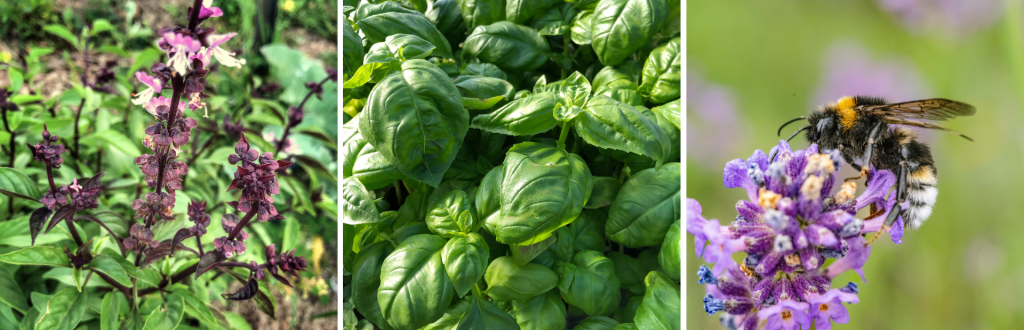
Annual hot-crop herbs are heat-loving plants that thrive in the peak of summer. Unlike cool-crop herbs, these plants cannot survive frost and require warm temperatures to produce their best flavor and foliage. Basil and lavender are excellent candidates for small urban gardens and containers because they grow well in warm, sunny spots and act as a beneficial companion to other vegetables. Bay laurel, a perennial, is more challenging but provides beautiful foliage that may be collected as bay leaves.
Planting
- Timing: These are distinctly hot crops that should only be planted outdoors once all risk of frost has passed. Wait until soil temperatures have warmed and nighttime air temperatures are safely above 10°C.
- Method: While they can be direct-seeded outdoors once it is warm enough, starting basil; and lavender seeds indoors 6 weeks before the last frost date allows for an earlier harvest. As a perennial, bay-laurel should be started approx 12-weeks before the last frost date.
- Indoor Starting: Plant seeds in a high-quality seed starting mix and provide plenty of light. Maintain a warm germination environment (ideally around 25°C).
- Location: Select a spot with full sun (at least 6–8 hours of direct sunlight).
- Soil and Spacing: Plant in fertile, well-draining soil enriched with compost. Basil and lavender are medium-sized herbs and should be planted in containers or rows with roughly 8″ spacing to ensure good airflow. Bay-laurel should be planted 12” apart.
- Transplanting: Be sure to “harden off” your seedlings for a week before moving them permanently into the garden to prevent transplant shock.
Maintenance
- Watering: Keep the soil consistently moist but never waterlogged. Water in the morning to ensure moisture is available during peak sun hours for photosynthesis.
- Feeding: These herbs are light-to-medium feeders. Use a nitrogen-heavy organic fertilizer early in the season to encourage lush leaf growth.
- Pruning: Regularly “top” your herbs by pinching off the center stem just above a set of leaves. This encourages the plant to branch out and become bushier rather than tall and “leggy”.
- Wrangling: For basil specifically, if the plant begins to send up a flower spike, pinch it off immediately. Allowing basil to flower (bolting) will alter the flavor of the leaves, making them bitter.
Pests and Diseases
- Common Pests: Watch for aphids and flea beetles. A mixture of water and castile soap can be used to treat aphid infestations.
- Protection: Basil and lavender are excellent companion plants; their strong scent often deters pests from neighboring nightshades and brassicas.
- Disease: To prevent powdery mildew or root rot, avoid watering the leaves and ensure your soil has plenty of air pockets.
Harvesting
- Technique: Use the cut-and-come-again method. Harvest individual leaves or small sprigs from the top of the plant to encourage new growth from the base.
- Frequency: Harvest often throughout the summer to keep the plant productive.
- Flavor Tip: For the best flavor, harvest your herbs in the morning after the dew has dried but before the midday heat.
- Storage: Store dry, harvested leaves at room temperature in a glass of water (like a bouquet) or in the refrigerator for shorter periods.
💡 Tips for Toronto Gardeners 💡
Basil is the ultimate “indicator plant” for our city’s weather. If you see your basil leaves looking slightly purple or wilted on a June morning, it’s a sign that our nighttime temperatures dropped below 10°C. If a cool night is forecasted, a simple cloche (like an upcycled 2L pop bottle with the bottom cut off) can provide just enough warmth to keep your basil happy.
Ready to Grow More?
Join our community of gardeners and start growing your own food in the city! From balcony boxes to backyard plots, community gardens, and urban farms, we’re dedicated to helping you succeed in vegetable gardening and urban agriculture.
- In the Greater Toronto Area (GTA)? Join Our Program at Downsview Park: Enroll in our full-season Grow Veggies program for hands-on learning and a share of the harvest.
- Get Monthly Tips: Sign up for our monthly Grow With Us newsletter to receive seasonal tips and our gardeners’ to-do lists.
- Follow Us: Find us on Instagram or Facebook to see what we’re growing at our teaching garden in Toronto.
 Homestead T.O.