
Including oregano, lemon balm, thyme, mint, sage, hyssop and rosemary
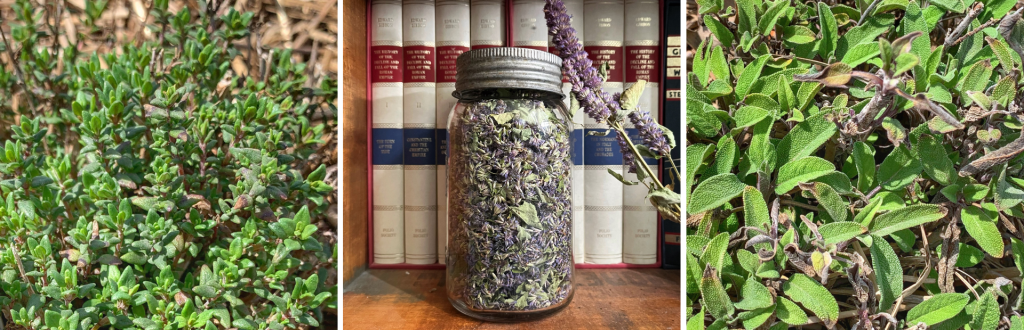
Perennial herbs are the backbone of a sustainable, low-maintenance urban garden. These plants regrow every year, meaning they require limited soil preparation and less fertilization than annual crops as they mature. They are excellent for building vital ecosystems beneath the soil, and many, such as mint, thyme, and sage, are well-known for their hardiness in our climate. Note that while rosemary is a perennial, it is considered a “tender perennial” in Canada and should be moved indoors to survive our coldest winters.
Planting
- Location: Perennials are difficult to move once established, so finding the perfect permanent location is crucial. Most herbs prefer full sun, though some, like mint and lemon balm, can tolerate partial shade.
- Soil Preparation: Use well-draining soil enriched with slow-release fertilizers like compost or aged bark before planting.
- Containment: Some perennials, specifically mint and lemon balm, are prolific spreaders that can quickly take over a garden bed. It is highly recommended to plant these within a buried pot or a separate container to control their root systems.
- Method: You can plant established seedlings in the spring once the soil is workable. Ensure you keep annuals and perennials in separate sections of your garden so you can cover or clean up your annual beds without damaging the perennial beds.
Maintenance
- Watering: Perennials require little irrigation once their root systems are established, but they should be watered deeply during periods of drought.
- Feeding: Regular fertilization with compost increases productivity. Apply slow-release organic matter atop the soil around the plants during the spring to feed the plant throughout the season.
- Pruning and Thinning: Regular pruning is essential to prevent these plants from spreading beyond their intended boundaries. Thinning also improves airflow, which helps prevent disease.
- Winter Protection: Many “woody” perennial herbs, such as sage, thyme, and oregano, benefit from a layer of straw or mulch in late autumn to protect them from the freezing and thawing cycles of winter.
Pests and Diseases
- Companion Benefits: Perennial herbs are fantastic “deterrent plants”. Their strong scents, especially from mint and thyme help deter pests like aphids and flea beetles from your more vulnerable vegetables.
- Common Issues: Watch for powdery mildew during humid August nights. Ensure good spacing and prune aggressively to maximize airflow if white spots appear.
- Indoor Pests: If moving tender perennials like rosemary indoors, wash the plant (including the roots) thoroughly first to ensure you aren’t bringing pests like fungus gnats or spider mites into your home.
Harvesting
- Technique: Use a cut-and-come-again method. Harvest individual leaves or sprigs from the top 2-4” of the plant, which encourages new growth from below.
- Timing: Once established, you can harvest established perennials earlier in the season than most annuals. For the best flavor, harvest in the morning after the dew has dried.
- Sustainability: Avoid heavy harvesting in the first year or two while the plant is establishing its root system. Once mature, never harvest more than one-quarter of the plant at a time to ensure it has enough foliage to continue growing.
💡 Tips for Toronto Gardeners 💡
For Rosemary, Toronto’s winter is just a bit too harsh for it to stay outside. When you move it indoors in October, place it in your brightest south-facing window. Rosemary loves “dry feet and dry hair,” so ensure your pot has excellent drainage and water only when the top 2”of soil has dried. Avoid misting the leaves indoors, which can lead to mold in heated, dry winter air.
Ready to Grow More?
Join our community of gardeners and start growing your own food in the city! From balcony boxes to backyard plots, community gardens, and urban farms, we’re dedicated to helping you succeed in vegetable gardening and urban agriculture.
- In the Greater Toronto Area (GTA)? Join Our Program at Downsview Park: Enroll in our full-season Grow Veggies program for hands-on learning and a share of the harvest.
- Get Monthly Tips: Sign up for our monthly Grow With Us newsletter to receive seasonal tips and our gardeners’ to-do lists.
- Follow Us: Find us on Instagram or Facebook to see what we’re growing at our teaching garden in Toronto.
 Homestead T.O.