
Including cilantro, dill, parsley, mint and chives
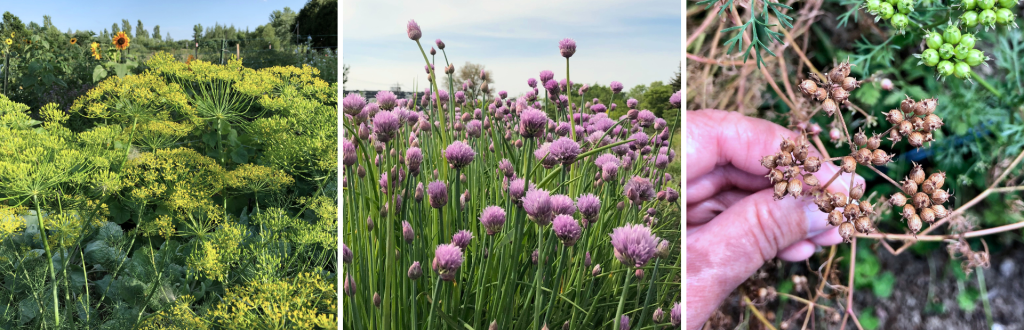
These annual herbs are quintessential cool crops that thrive in the lower temperatures of spring and autumn. While many gardeners associate herbs with summer heat, these specific species produce their best foliage (i.e., harvest) when the air is cool. They are relatively fast-growing and serve as excellent companion plants, making them ideal for urban gardens and containers.
- Cilantro: A fast-growing member of the carrot family known for its distinct, citrusy leaves. It is quick to bolt in hot weather but produces seemingly unlimited harvests during cool periods.
- Dill: A great herb that provides multiple harvests of each of the leaves, flowers and seeds. It is also planted along the edges of gardens to attract beneficial insects like parasitic wasps.
- Parsley: A versatile medium feeder that can handle both full sun and partial shade and can be harvested again and again if harvested every week.
- Mint: An easy-to-grow, fast-spreading perennial plant that will be among the first harvests of each growing season.
- Chives: An easy-to-grow perennial herb that produces wonderful-tasting leaves in spring and fall and its flowers attract pollinators during the summer months.
Planting
- Timing: Plant these as soon as the soil is workable, typically late March to early May in Toronto. Because they are frost-hardy, they can withstand early spring chills.
- Method: These herbs are best direct-seeded into the garden. Direct-seeding helps ensure they establish strong roots before the summer heat arrives.
- Location and Sun: Choose a spot with partial shade or eastern sun. Intense afternoon sun in mid-summer will cause these herbs to “bolt”, meaning they will quickly flower and produce seeds, which makes the leaves less tasty.
- Soil and Spacing: Plant in loose, fertile soil enriched with compost. Space seeds approximately 6-12″ apart.
- Germination: Keep the soil surface damp until sprouts appear. Dill and mint typically germinates in 7–10 days , while cilantro, parsley and chives may take 7–21 days and often require constant moisture to sprout.
Maintenance
- Watering: Maintain consistent moisture, particularly for cilantro, which is prone to bolting if the soil dries out in the heat.
- Feeding: These are generally light-to-medium feeders. A top-up of nitrogen-rich compost early in the season will encourage lush, green leaf growth.
- Succession Planting: Because cilantro and dill have short lifecycles if the weather warms up, sow new seeds every two weeks to ensure a continuous supply of fresh leaves.
- Weather Mitigation: If a heatwave is forecasted, use a shade cloth or mist the foliage in the afternoons to keep the plants cool and delay flowering.
Pests and Diseases
- Beneficial Trap Crops: When left to flower, dill is particularly useful for attracting beneficial insects that stop pests like tomato hornworms away from your main crops.
- Common Pests: Watch for aphids. If they appear, a blast of water from a hose is often enough to dislodge them.
- Disease: To prevent root rot and gray mold, avoid overwatering and ensure your containers have adequate drainage.
Harvesting
- Technique: Use the cut-and-come-again method. Snipping outer leaves allows the center of the plant to keep growing for future harvests. To delay bolting, harvest aggressively in advance of the temperature warming up.
- Flavor Tip: Harvest leaves in the morning when they are at their crispest and most flavorful.
- Storage: Store dry, harvested herbs in air-tight containers or unwashed in the refrigerator to maximize their shelf life.
💡 Tips for Toronto Gardeners 💡
In Toronto, our transition from spring to summer can be very sudden. If your cilantro, dill or parsley does bolt in the June heat, don’t pull them all out! Let a few of them flower to attract beneficial tachinid wasps, hoverflies, and ladybugs to your garden. You can even harvest the dried seeds later to use in your kitchen or for next year’s planting.
Ready to Grow More?
Join our community of gardeners and start growing your own food in the city! From balcony boxes to backyard plots, community gardens, and urban farms, we’re dedicated to helping you succeed in vegetable gardening and urban agriculture.
- In the Greater Toronto Area (GTA)? Join Our Program at Downsview Park: Enroll in our full-season Grow Veggies program for hands-on learning and a share of the harvest.
- Get Monthly Tips: Sign up for our monthly Grow With Us newsletter to receive seasonal tips and our gardeners’ to-do lists.
- Follow Us: Find us on Instagram or Facebook to see what we’re growing at our teaching garden in Toronto.
 Homestead T.O.