
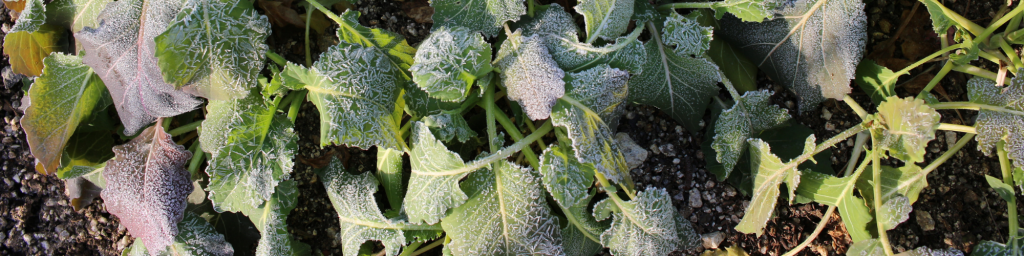
How Cold Weather Affects Your Vegetable Garden in the Fall
As the growing season draws to a close in Ontario, the cooler temperatures can pose a significant challenge to your garden. Even a light frost can dramatically impact your harvest, unless you prepare in advance.
The effects of cooling weather on your plants include:
- End-of-life for Tender Hot Crops: Vegetables like tomatoes, peppers, beans, and squash cannot withstand even a light frost. Their plant tissue is highly susceptible to freezing damage, which quickly ends their production.
- Survival Risk for Cool Crops: Many cool crops can handle a light frost but will not survive a hard frost.
- Slower Growth Rates: All vegetable growth rates slow down as temperatures drop.
- Root and Tissue Damage: Cooler temperatures can damage tissues in unprotected plant leaves, preventing photosynthesis. In addition, if the soil freezes, the water within it becomes unavailable to your plants. This can lead to leaf drop and stunted future growth.
- The fall season does not signal the immediate end of your growing season. Instead, it is a crucial time to know your local frost dates and prepare your plants accordingly.
Key Frost Dates
Knowing your region’s frost dates is the key to maximizing the growing season. You need to plan around two main dates in the fall: the first light frost date and the first hard frost date.
- First Light Frost: This date marks the beginning of the frost risk period. In the Toronto area, the typical first frost date is mid-to-late October.
- Planning Tip: If you have tender hot crops, plan your final harvests before this date. If you are growing resilient cool crops, you have more latitude.
- Here are a couple of useful sites to determine your first frost date:
- First Hard Frost: This is a more severe drop in temperature that will kill all but the hardiest vegetable plants. In most of Southern Ontario, the first hard frost date is typically in early November.
Keep your own records each year, as autumn weather is variable. For more on planning your season, consult our guide Garden Planning.
Extend Your Growing Season: Frost-Tolerant Vegetables
Many vegetables can withstand light or even hard frosts, allowing you to harvest them well into autumn. By incorporating these crops into your gardens in the fall, you can significantly extend your growing season.
Vegetables that can withstand a hard frost include:
- Beets
- Broccoli
- Cabbage
- Carrots
- Fava Beans
- Kale
- Leeks
- Mache (Corn Salad)
- Mustards (including Arugula)
- Radish
- Spinach
- Turnips
As you harvest your hot crops in the summer, replace those plants with ones from the above list to ensure that you can successfully get another full flush of harvest from your garden within the same growing season. Learn more about starting your cool crops at the right time in our guide Planting Cool Crops.
Practical Tips for Frost Protection
In the shorter growing season of the Greater Toronto Area, protecting your plants from cold snaps, in the fall, is a necessary skill to maximize your yearly harvest.
In addition to only having “cool crops” in your gardens after mid-October, use these techniques to protect and extend the harvest period of those cool crops:
- Row Cover or Cold Frames: Placing a row cover draped over hoops or using rigid cold frames over your garden bed protects plants from harsh winds and freezing temperatures while allowing most sunlight to pass through. This can significantly delay the end of your season. For detailed instructions, see our mini guide on Row Cover.
- Use a Cloche: For individual tender plants, use a simple cloche. This is a bell-shaped cover, often made from a cut 2L plastic bottle or an overturned bucket, placed over the plant on nights when frost is forecast.
- Strategic Plant Placement: When planting hot crops, place them in the highest areas of your garden and away from fences or hedges that may limit air circulation. Low-lying areas with restricted airflow are more susceptible to frost pockets.
For more comprehensive strategies on keeping your garden productive as the seasons change, read our guide Extending the Season.
Ready to Grow More?
Join our community of gardeners and start growing your own food in the city! From balcony boxes to backyard plots, community gardens, and urban farms, we’re dedicated to helping you succeed in vegetable gardening and urban agriculture.
- In the Greater Toronto Area (GTA)? Join Our Program at Downsview Park: Enroll in our full-season Grow Veggies program for hands-on learning and a share of the harvest.
- Get Monthly Tips: Sign up for our monthly Grow With Us newsletter to receive seasonal tips and our gardeners’ to-do lists.
- Follow Us: Find us on Instagram or Facebook to see what we’re growing at our teaching garden in Toronto.
 Homestead T.O.