
Soil pH is one of the most critical factors for successful vegetable gardening in the relatively shorter Ontario growing season. Soil pH affects the availability of different nutrients, directly impacting how much of each type of food your plants can absorb, regardless of their presence and proportions in the soil.
The optimal pH level for most vegetable plants is 6.5-7.0.
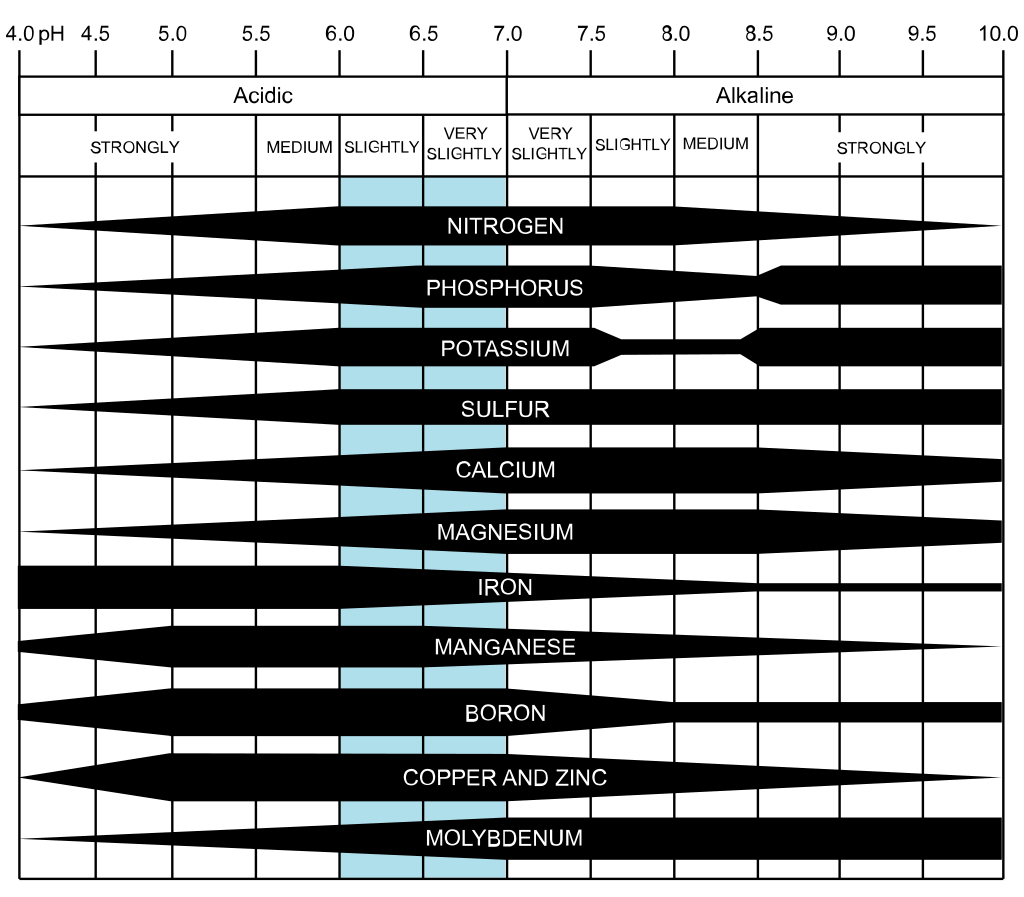
Understanding Nutrient Uptake
The soil’s pH level, which measures its acidity or alkalinity, controls the solubility of nutrients. At non-optimal pH levels (either too high or too low), essential elements can become “locked up” or unavailable for a plant’s roots to absorb.
For example, plants that require more micronutrients such as iron, manganese, copper and boron often thrive best in more acidic soil (lower pH). Ensuring your soil is within the ideal range prevents nutrient deficiencies and promotes vigorous growth.
Practical Steps for Testing and Adjusting Your Soil
To grow vegetables successfully, especially when dealing with common regional challenges like heavy clay soil in the Toronto area, you must first determine your soil’s starting pH.
1. Testing and Assessment
- Initial Test: Use a pH meter to test the soil in a few different spots around your garden plot.
- Timing: Incorporate this test into your overall Garden Planning, ideally when you are creating your site map in early spring, as soon as the soil is workable.
- Practical Tip: Cooler soil will test as more alkaline so it’s good to retest in the spring and summer as the soil warms.
- Further Information: For a complete picture of your soil’s composition, consult our guide on Soil Testing.
2. Targeted Soil Amendments
Once you know your current pH, you can make targeted adjustments:
- To Raise pH (More Alkaline): Use lime to increase your soil’s pH level.
- To Lower pH (More Acidic): Use sulfur to decrease the pH.
- These amendments are generally available at local garden centres.
3. Strategic Plant Placement
During the Garden Planning phase, you can maximize your yields by matching plant needs to existing soil conditions:
- If your soil tests reveal an area is naturally more acidic (e.g., near coniferous trees or at the bottom of slopes), strategically plant vegetables that tolerate or require lower pH levels in those spots.
- Remember that amending heavy clay soil to improve its structure—by adding organic matter—is also vital. While pH is important, healthy soil structure also helps to maximize the exchange of nutrients, improving your results in. See our guide on Soil Preparation for more tips on amending heavy soil.
For a deeper dive into the specific roles of major elements and when to apply them, check out our guide, What Plant Nutrients Do and How to Fertilize.
Ready to Grow More?
Join our community of gardeners and start growing your own food in the city! From balcony boxes to backyard plots, community gardens, and urban farms, we’re dedicated to helping you succeed in vegetable gardening and urban agriculture.
- In the Greater Toronto Area (GTA)? Join Our Program at Downsview Park: Enroll in our full-season Grow Veggies program for hands-on learning and a share of the harvest.
- Get Monthly Tips: Sign up for our monthly Grow With Us newsletter to receive seasonal tips and our gardeners’ to-do lists.
- Follow Us: Find us on Instagram or Facebook to see what we’re growing at our teaching garden in Toronto.
 Homestead T.O.