
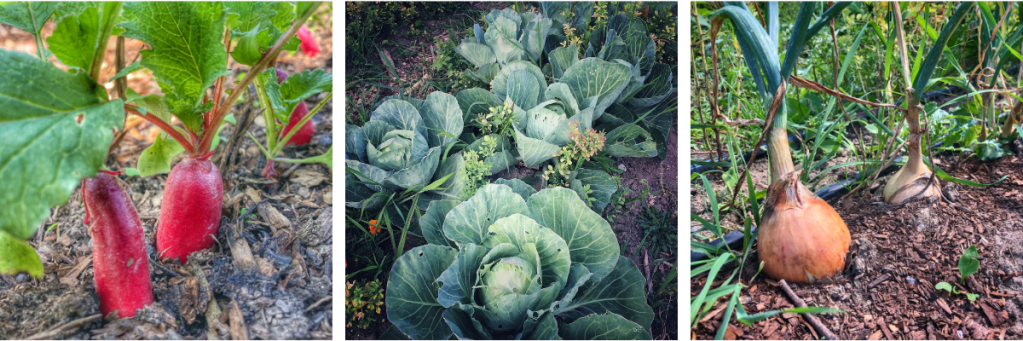
Cool crops are frost-tolerant vegetables that thrive in temperatures typically below 10°C. Far from just frost-tolerant, these include many of the most popular vegetables. In the Toronto area, utilizing cool crops is crucial for successful gardening because they enable you to start planting early and late in the year, effectively stretching the Ontario growing season. This strategy is the key to achieving multiple harvests, often allowing for up to three crops from a single garden space in one season.
Cool Crop Categories
Understanding which cool crops tolerate heat and which must avoid it is critical for successful succession planting.
Heat-Tolerant Cool Crops
These vegetables can typically withstand cooler temperatures as well as the summer heat, allowing for an extended harvest period. They are primarily root and stem crops:
- Beets
- Carrots
- Chard
- Fennel
- Kale
- Kohlrabi
- Leeks
- Onions
- Potatoes
- Turnips
Heat-Sensitive Cool Crops
These leafy crops should avoid sustained temperatures above 25°C. Prolonged heat stress will cause them to bolt (flower), making the leaves bitter, tough, or inedible.
- Arugula
- Bok Choy/Pak Choi
- Broccoli
- Brussels Sprouts
- Cabbage
- Cauliflower
- Cilantro
- Collards
- Fava Beans
- Lettuce
- Mache
- Mustard Greens
- Peas
- Radish
- Spinach
When to Plant: Timing Your Spring and Fall Harvests
Timing is the most vital factor when gardening in the GTA. Cool crops can be planted much earlier than hot crops, giving you a distinct advantage.
Spring Planting
Start planting as soon as the soil is workable and the worst risk of sustained frost or heavy snow has passed.
- Frost-Hardy Crops (Earliest Planting): Peas, lettuce, carrots, and radish can be planted three to four weeks before your region’s typical last frost date. Peas are a great choice, as they germinate in cool soil and also help fix nitrogen for the hot crops that are planted after.
- Frost-Sensitive Crops (A Bit Later): Broccoli, potatoes, kale, and chard should be planted one to two weeks before the last frost date, as they can tolerate temporary light frosts but not a hard freeze.
- Slow-Growing Crops: For varieties like broccoli, cauliflower, and Brussels sprouts that require a long growing time but cannot tolerate summer heat, you should start seeds indoors in early-March. Transplant these seedlings outdoors by the end of April to ensure a harvest before the hot summer months arrive.
Fall Planting
To extend your harvest late into the season, plan for a second planting of cool crops in the late summer for a fall harvest.
- Fast-Growing Fall Crops: When your hot crops need until late-summer (i.e., mid-September) before they can be removed, follow those with quick-maturing varieties like lettuce, radish, and mache. These will thrive in the cool October nights.
- Fall Direct Seeding: Radish, mache, and claytonia can be direct-seeded as late as October 1st in the Ontario growing season.
- Fall Transplanting: For fall harvests of larger plants, start seeds indoors in June for transplanting outdoors in August. This timing is essential for slow-growing, heat-sensitive crops.
Cool Crop Practical Tips
- Manage Clay Soil: If your garden has heavy clay soil, a common challenge in the GTA, choose shorter, wider root vegetable varieties. For instance, Chantenay carrots are more ideal than long varieties, as they are less likely to be negatively affected by shallow or compacted soil.
- Prevent Bolting: Heat stress is the primary cause of bolting, which ruins the flavour of leafy greens. Plant heat-sensitive varieties where they will be shaded from the late-day sun – even when planting early/late in the year. For example, planting lettuce where it receives morning sun (only eastern and southeastern exposure) will result in a better-tasting crop.
- Harvesting: If a heat wave is forecast, harvest your near-mature cool crops like lettuce or broccoli immediately to prevent the heat from causing them to bolt or degrade.
- Maximizing Space: Use fast-growing cool crops like radish or leaf lettuce for inter-cropping (planting in May between and beside slow-growing hot crops). They will be harvested before the hot crop needs the full space, giving you an extra yield.
For more information on planning your garden for maximum yields, please visit our other mini guides: Succession Planting, Garden Planning, Starting Seeds Indoors vs Direct Seeding Outdoors, and How to Harvest Vegetables.
Ready to Grow More?
Join our community of gardeners and start growing your own food in the city! From balcony boxes to backyard plots, community gardens, and urban farms, we’re dedicated to helping you succeed in vegetable gardening and urban agriculture.
- In the Greater Toronto Area (GTA)? Join Our Program at Downsview Park: Enroll in our full-season Grow Veggies program for hands-on learning and a share of the harvest.
- Get Monthly Tips: Sign up for our monthly Grow With Us newsletter to receive seasonal tips and our gardeners’ to-do lists.
- Follow Us: Find us on Instagram or Facebook to see what we’re growing at our teaching garden in Toronto.
 Homestead T.O.