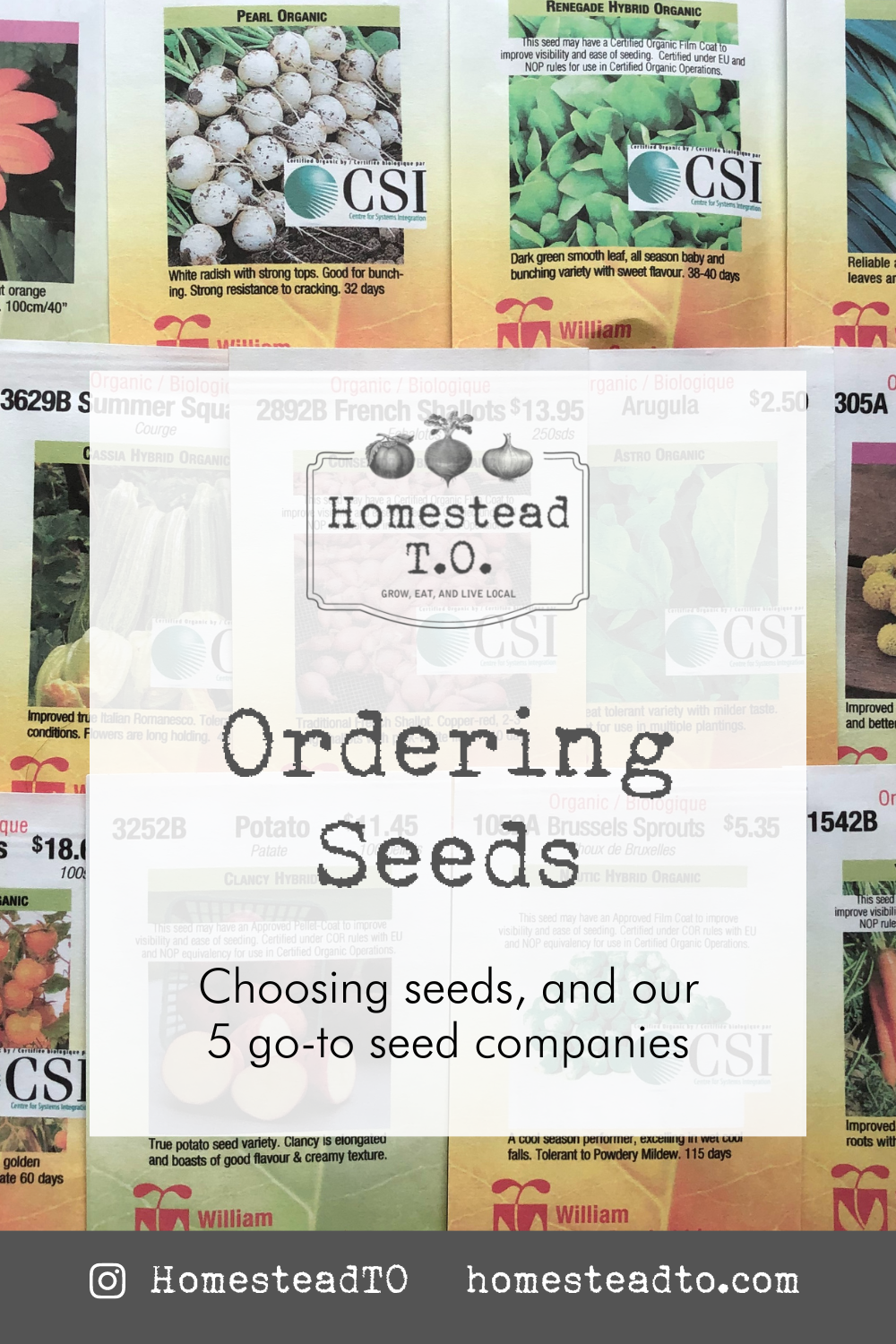
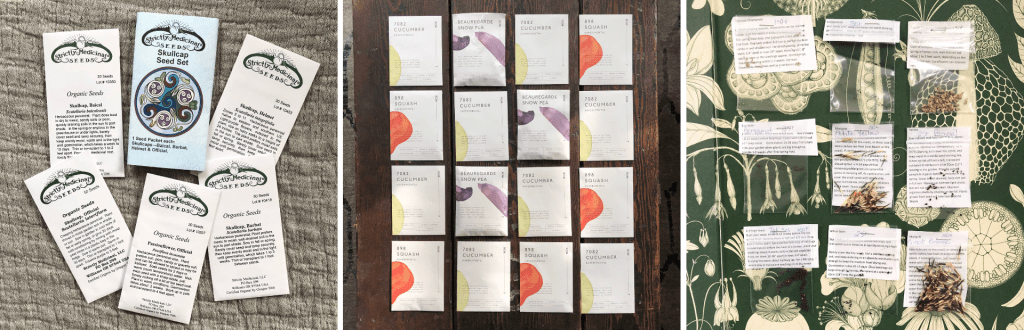
Choosing the right vegetable seeds is a critical first step for a successful season, especially when planning your vegetable gardening. Once you’ve selected your vegetables and decided between organic and conventional seeds (see Seeds: Organic vs Conventional), your next choice is selecting between open-pollinated and hybrid varieties.
Open-Pollinated Seeds
Open-pollinated (OP) seeds are a result of natural plant pollination by wind, insects, or gravity. For consistency, OP plants are typically pollinated by the same variety.
- Breeding True: The greatest advantage of OP seeds is that they “breed true.” This means that the seeds, when saved and later planted, will produce a plant of the exact same variety and characteristics as the parent.
- Ideal for Seed Saving: OP seeds are essential if you plan on seed saving. This is an important way to save money and increase the sustainability of your urban garden, allowing you to select and propagate the highest-performing plants.
- Heirloom Connection: All heirloom vegetables are open-pollinated. These varieties often have a deep history, unique flavour profiles, and genetics adapted to specific local conditions.
💡 Practical Tip! When ordering vegetable seeds, source OP seeds from reputable producers to ensure quality control against accidental cross-pollination.
Hybrid (F1) Seeds
Hybrid seeds, often labelled F1 hybrids, are created from the intentional cross-pollination of two different parent plant varieties. This process, usually performed by a seed company, aims to combine the best traits of each parent into one plant. “F1” signifies that this is the first filial generation of the cross.
- Optimized Characteristics: F1 hybrids are prized for specific, desirable traits, such as increased vigour, uniform maturity, or resistance to common diseases like powdery mildew and blight and pests.
- Benefits for Our Growing Season: The benefits of F1 hybrids are often crucial for overcoming challenges, such as varieties that produce an earlier harvest for the short Ontario growing season or resist bolting in Toronto’s summer heat.
- Unreliable for Seed Saving: The seeds produced by an F1 hybrid plant will not reliably produce the same vegetable the following year. Their genetics are unstable and will revert, or “de-hybridize,” back to one of the parent traits in unpredictable ways.
- Annual Purchase Required: Since you cannot reliably save F1 seeds, you must purchase them again annually from a seed supplier.
Key Considerations for Your Urban Garden
Your choice depends on your personal gardening goals. Remember that both open-pollinated and F1 hybrid seeds can be organic or conventional; the two concepts are unrelated.
| Goal | Recommended Seed Type | Why? |
|---|---|---|
| Saving Seeds | Open-Pollinated (OP) | They breed true, allowing you to propagate your best plants year after year. |
| Disease Resistance | Hybrid (F1) | They are often bred for resistance to common issues, which is helpful in an intensive urban agriculture setting. |
| Short Season Harvest | Hybrid (F1) | Many F1s are selected for early maturity or tolerance to environmental stress, maximizing yield in the Ontario growing season. |
| Using Heirloom Varieties | Open-Pollinated (OP) | Heirloom varieties are saved using OP techniques. |
Further Reading: For more information on planning your season, visit our guides on Garden Planning and Ordering Vegetable Seeds.
Ready to Grow More?
Join our community of gardeners and start growing your own food in the city! From balcony boxes to backyard plots, community gardens, and urban farms, we’re dedicated to helping you succeed in vegetable gardening and urban agriculture.
- In the Greater Toronto Area (GTA)? Join Our Program at Downsview Park: Enroll in our full-season Grow Veggies program for hands-on learning and a share of the harvest.
- Get Monthly Tips: Sign up for our monthly Grow With Us newsletter to receive seasonal tips and our gardeners’ to-do lists.
- Follow Us: Find us on Instagram or Facebook to see what we’re growing at our teaching garden in Toronto.
 Homestead T.O.