
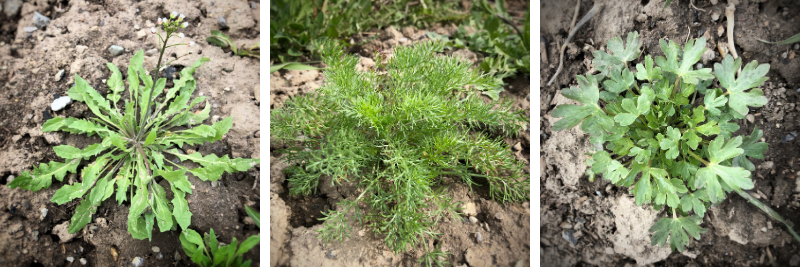
A weed is simply any unwanted plant in your garden, and you will inevitably find them when you begin to work your soil. For those gardening in the variable Ontario growing season, it is worth noting that many common weeds are simply native plants that happen to thrive in this environment and they aren’t necessarily bad for your garden.
Before you pull a weed, consider its potential value to your garden ecosystem:
- Food: Many species, such as lamb’s quarters and purslane, are edible.
- Beneficial Insects: Plants like Queen Anne’s lace and yarrow attract natural predators that help control pests.
- Pest Diversion: Some weeds, like goldenrod, can attract pests such as aphids away from your primary vegetable crops.
- Medicine: Other plants, such as broadleaf plantain, offer traditional medicinal uses.
For beneficial weeds, while you may not want these on your primary planting surface, they’re quite useful to have on the periphery of your garden.
Essential Weed Prevention: Some Best Practices
Proactive prevention is the most worthwhile investment for long-term vegetable gardening success. Consistent effort now reduces the labour required later.
The No-Bare-Soil Rule
Never leave any soil bare during the growing season. Weeds will happily step into any empty space. To deny them a home, plant densely and use companion plants beneath your primary vegetables to cover the ground.
- Companion Planting: Fill large gaps between your main vegetables with fast-growing, light-feeding companions such as lettuce, carrots, onions, radish, or basil. This crowds out weeds and offers the added bonus of extra harvest. To learn more about layering crops, visit Benefits of Companion Plants and Succession Planting.
- Mulch: Apply mulch on top of the soil in your garden paths and around plants. Mulching suppresses weed seeds that already reside in the soil and blocks new seeds from landing and germinating.
Limit Soil Disturbance
One of the most effective long-term strategies, particularly when dealing with the heavy clay soil often found in the Toronto area, is to limit tilling. Turning your soil (tilling) brings dormant weed seeds to the surface, where they quickly find the right conditions to germinate. Limiting how often you till your soil is a powerful prevention strategy that keeps old weed seeds buried. For a deeper look, see Till vs. No-Till.
Targeted Watering and Fertilizing
Control your resources to feed your vegetables, not your weeds.
- Control Watering: Use drip-line irrigation placed directly beneath your vegetables or carefully hand-water at the base of your crops. This delivers water directly to your vegetable roots and avoids soaking the entire garden bed, which would encourage weed growth.
- Targeted Fertilizing: Apply fertilizer close to your vegetable plants, away from paths and bare patches. This ensures your crops receive the necessary nutrients without inadvertently feeding the competition.
Weed Identification and Control
Unfortunately, no prevention method is perfect. You will need a strategy for managing the weeds that do appear.
Identifying Your Weeds
Start by determining which weeds need to go and how they spread. Since the same weeds tend to recur year after year, this process becomes easier over time.
- Use Technology: Numerous weed identification keys and smartphone apps, such as Seek by iNaturalist, can help you quickly identify the plants in your garden.
- Understand the Spread: Weeds spread primarily in two ways:
- Seeds: These are easily carried by wind, water, or animals and preventing seeds is done by covering the soil.
- Rhizomes: These are underground stems that travel beneath the soil and re-root to form new plants. Use edging (or shallow trenching around the edge of your garden) to help prevent rhizomes from invading your vegetable plot.
Controlling Weed Growth
Your most effective weeding efforts happen when the soil is most workable.
- Pre-Planting Weeding: The easiest time to remove all parts of a weed, including stubborn roots and rhizomes, is when you prepare the soil before planting. Take the time to sift through and pull out all weed matter (both seedlings and rhizomes) before you transplant your vegetables.
- In-Season Weeding: Once your vegetables are in the ground, pulling weeds risks disturbing their delicate roots. Instead, switch your technique to scraping the top of the soil. Use a hoe or a weed bandit (loop) to sever the weed stems just below the soil line.
- Never Let a Weed Flower! Weeds can go to seed very quickly, and allowing them to flower guarantees many more weeds for the following year.
- Late-Season Perennial Removal: It is never too late to remove perennial weeds (like dandelions, quackgrass, or nutsedge). Removing most or all of a weed in late autumn, when the soil is largely bare and easy to manage, weakens the plant by forcing it to drain the carbohydrate reserves it has stored in its roots for winter survival.
Ready to Grow More?
Join our community of gardeners and start growing your own food in the city! From balcony boxes to backyard plots, community gardens, and urban farms, we’re dedicated to helping you succeed in vegetable gardening and urban agriculture.
- In the Greater Toronto Area (GTA)? Join Our Program at Downsview Park: Enroll in our full-season Grow Veggies program for hands-on learning and a share of the harvest.
- Get Monthly Tips: Sign up for our monthly Grow With Us newsletter to receive seasonal tips and our gardeners’ to-do lists.
- Follow Us: Find us on Instagram or Facebook to see what we’re growing at our teaching garden in Toronto.
 Homestead T.O.