
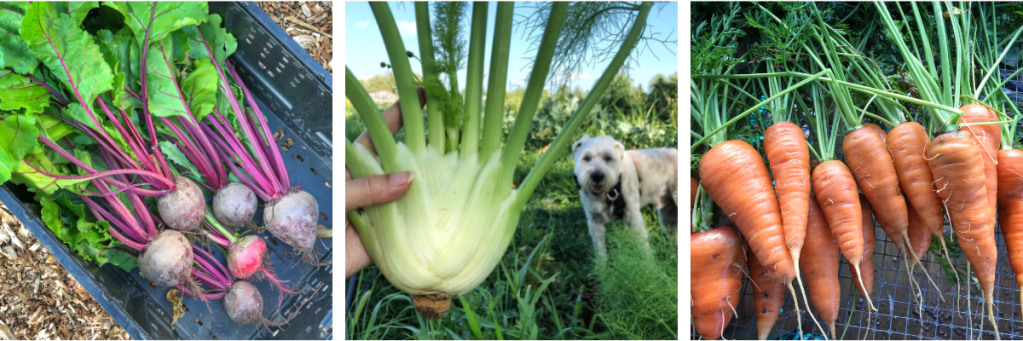
When you grow your own food, harvest time is when your hard work truly pays off. Home grown vegetables are better than store bought, as they can be harvested for perfect flavour and ultimate freshness, rather than for storability. Knowing exactly when and how to harvest each crop is key to maximizing your yield within the growing season.
Mastering the Harvest Timing
To capture that perfect flavour, you need to understand the signals your plants are sending. This effort is worth it as the ability to harvest at the optimal moment is one of the greatest pleasures of gardening.
General Rules of Thumb
- Keep An Eye on Your Garden: Watch your garden closely during the harvest season so that you don’t miss chances to get the perfect harvest. This is why you placed your cut-and-come-again style plants in the places in your garden that are easiest to monitor.
- Bigger Isn’t Always Better: While you want a good yield, excessive size often means more water, fibre, or seeds, not better flavour. This is particularly true for zucchini!
- Know Your Variety: Different varieties have different characteristics. Keep your seed packets handy for cross-reference. For instance, some tomatoes do not turn red when ripe, and certain carrot varieties are better suited for clay soil than others.
- Monitor for Pests: You are not the only one who knows when your vegetables are perfect. Be aware of potential “competitors” that may prompt you to harvest a little earlier or take protective measures. When these competitors are around, harvesting a little too early is generally preferable to waiting too long.
- Watch the Weather: Heavy rain can cause tomatoes or zucchini to split or become too large, and a heat wave can cause lettuce or broccoli to bolt (flower and become bitter). Harvest in advance of any weather events that might degrade your vegetables.
Harvesting by Plant Part
Different parts of the plant require different harvest strategies:
- Leaves and Stems (Lettuce, Chard, Kale): Generally harvested based on size. A smaller size often means a more tender texture, while a larger size offers more food. It’s up to you – choose which attributes you prefer.
- Roots (Carrots, Beets, Turnips): Watch the visible part of the root – for example, look for carrot “shoulders” (the top of the root) to widen to one to one and a half inches and peek out of the ground. Harvesting smaller roots results in a more tender and sweeter vegetable, and they are less likely to split. If you wait longer, the root will contain more energy reserves (carbohydrates) for a larger harvest.
- Fruits (Tomatoes, Beans, Squash): Harvest fruits based on appearance, feel, and colour. For example, beans are harvested based on preferred width.Tomatoes are perfectly ripe when the bottoms soften. Eggplants are harvested when either the skins turn matte or the sides soften slightly. In general, harvesting earlier means less water and seeds, but harvesting later means sweeter, more tender fruits. Also, hot peppers become hotter, and sweet peppers become sweeter as they ripen.
Other Plant Signals for Optimal Harvest
Beyond just size, colour and feel, our plants have other ways to tell you when they are ready:
- Onions: Bulb onion leaves will flop over when the onion has reached its full size.
- Winter Squash: Stems will dry up and turn yellow once they are finished feeding the fruit.
- Tomatoes: Ripe tomatoes are more easily picked; the fruits practically fall off into your hand when ready.
Pre-Harvest Tips to Boost Flavour and Quality
Before you make the final cut, you can adjust your care routine to maximize flavour and storability.
- Blanching: To reduce intense flavours in stem vegetables like celery, leeks, or onions, bury or shade their stems from sunlight and add extra water starting two weeks before harvest. This process can also increase stalk size.
- Timing Your Watering:
- Increase Flavour and Storability (Decrease Water): For crops like storage potatoes, winter squash, and garlic, decrease or stop watering once the foliage dies back or as the plants mature. This concentrates the flavour and, for potatoes, allows the skins to harden (cure) underground for a better storage life.
- Soften Flavour (Increase Water): For celery or green onions, increase irrigation for the two weeks before harvest to make the flavour milder and increase stalk size.
- Nutrient and Care Adjustments:
- Tomatoes: Add potassium, calcium, and magnesium as soon as the plants begin to flower to enhance fruit quality. Adding copper and sulphur to the soil before the fruits set will also help increase the flavour.
- Winter Squash: As fruits size up, gently turn them slightly every few days to prevent blemishes on the parts touching the ground.
- Lettuce: To delay bolting in the heat (a key concern in the short growing season‘s summer), keep lettuce cool with a shade cloth or an aerial sprinkler during the hottest part of the day.
The Best Time to Harvest
For the crispiest, longest-lasting vegetables, try to harvest in the morning. Plants replenish their water reserves overnight, making them fully hydrated at the start of the day. If the morning is not possible, harvest in the evening, but always try to avoid harvesting when temperatures are highest.
Ultimately, the most important aspect of harvesting is learning how you like your vegetables. Taste-test as you go; you are in control of the process, so tweak the variables to ensure your homegrown vegetables taste perfect to you.To keep your bounty coming all season, be sure to check out our guides on Succession Planting and Preserving the Harvest. For specific tips on your main crops, explore our individual Growing Guides!
Ready to Grow More?
Join our community of gardeners and start growing your own food in the city! From balcony boxes to backyard plots, community gardens, and urban farms, we’re dedicated to helping you succeed in vegetable gardening and urban agriculture.
- In the Greater Toronto Area (GTA)? Join Our Program at Downsview Park: Enroll in our full-season Grow Veggies program for hands-on learning and a share of the harvest.
- Get Monthly Tips: Sign up for our monthly Grow With Us newsletter to receive seasonal tips and our gardeners’ to-do lists.
- Follow Us: Find us on Instagram or Facebook to see what we’re growing at our teaching garden in Toronto.
 Homestead T.O.