
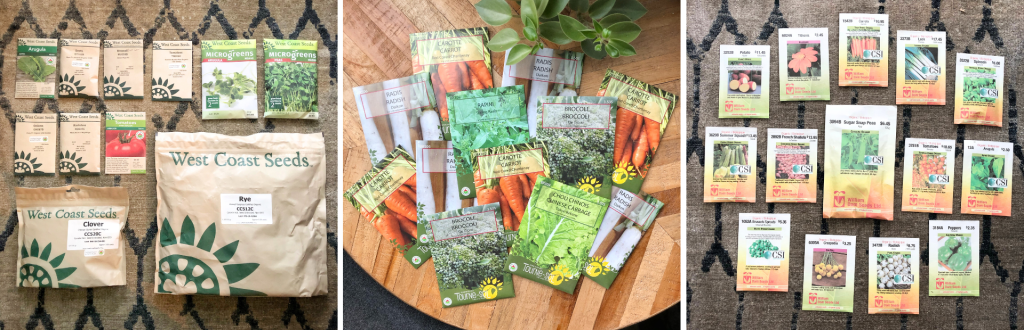
Securing your vegetable seeds early is the essential first step in preparing for the growing season. This exciting time allows you to envision your garden and plan for a successful harvest. Because urban gardening continues to grow in popularity across the Greater Toronto Area, high-demand varieties sell out quickly. We strongly recommend placing your initial seed order well before planting.
Selecting the Right Vegetable Varieties
Before you order, give careful thought to which vegetables will best suit your needs and your garden’s specific conditions. Upfront plant selection is key to setting yourself up for success.
What to Consider When Selecting Seeds
- Eat What You Grow: Focus on purchasing seeds for vegetables you and your family already enjoy. Restrict new or experimental crops to just a couple of varieties to manage risk.
- Plan for Storage: If your goal is to store your harvest, order greater quantities of vegetables that are known to preserve well. (For tips, see Preserving the Harvest.)
- Match Plants to Your Site and Climate: Successful gardening depends on choosing varieties suited to your specific conditions.
- Short Growing Season: For long-season crops like tomatoes, peppers, and winter squash, you must select varieties that mature quickly. Since the Ontario growing season for hot crops is brief (typically 100-120 days), plan to start these indoors 5-8 weeks before the last frost to ensure a full harvest. (See ou Seed Starting mini guide.)
- Soil and Sun: Note your garden’s available sunlight, growing space, and soil type. If you have heavy clay soil common in the Toronto area, choose root varieties like Chantenay carrots, which are better suited to dense soils, over those that require sandy soil. (See Soil Preparation and The Importance of pH Levels.) If your garden is less sunny, choose mostly leafy greens or small fruit (or small root) vegetables.
- Variety Performance: Check seed packets for tolerances. For instance, some types of lettuce are bred to resist bolting in direct sunlight, while others will turn bitter.
- Factor in Companion Planting: Consider which vegetables grow well beside each other. Companion plants can help your selected crops by deterring pests, attracting pollinators, or providing late-day shade. Look up the friends and foes of your favourite crops and consider adding beneficial companions to your initial seed order. (For more details, visit our Companion Planting mini guide.)
Next Steps in Garden Planning
This initial selection is simplified to ensure you secure your seeds. We cover detailed garden planning considerations in our Garden Planning mini guide.
Recommended Canadian Seed Companies
We recommend ordering from Canadian companies, especially those that specialize in seeds adapted for our colder climate and shorter growing season. These companies typically offer a wide range of organic, high-germination-rate seeds well-suited for vegetable gardening Canada.
Ready to Grow More?
Join our community of gardeners and start growing your own food in the city! From balcony boxes to backyard plots, community gardens, and urban farms, we’re dedicated to helping you succeed in vegetable gardening and urban agriculture.
- In the Greater Toronto Area (GTA)? Join Our Program at Downsview Park: Enroll in our full-season Grow Veggies program for hands-on learning and a share of the harvest.
- Get Monthly Tips: Sign up for our monthly Grow With Us newsletter to receive seasonal tips and our gardeners’ to-do lists.
- Follow Us: Find us on Instagram or Facebook to see what we’re growing at our teaching garden in Toronto.
 Homestead T.O.